
FxFinex - Why More UK Traders Are Rethinking Their Next CFD Account
The UK trading environment has matured significantly over the past decade. Retail participation is more informed, regulation is stricter, and competition among platforms has intensified. In this landscape, opening a cfd account is no longer a casual step — it’s a strategic decision shaped by execution standards, asset access, and long-term reliability.
For traders comparing infrastructure, the process of choosing where to open a CFD account often reflects broader priorities: platform stability during volatility, transparent cost structures, and diversified market exposure. Providers like FxFinex are increasingly evaluated within this performance-driven framework rather than on promotional messaging alone.
The Modern UK CFD Trader: Selective and Analytical
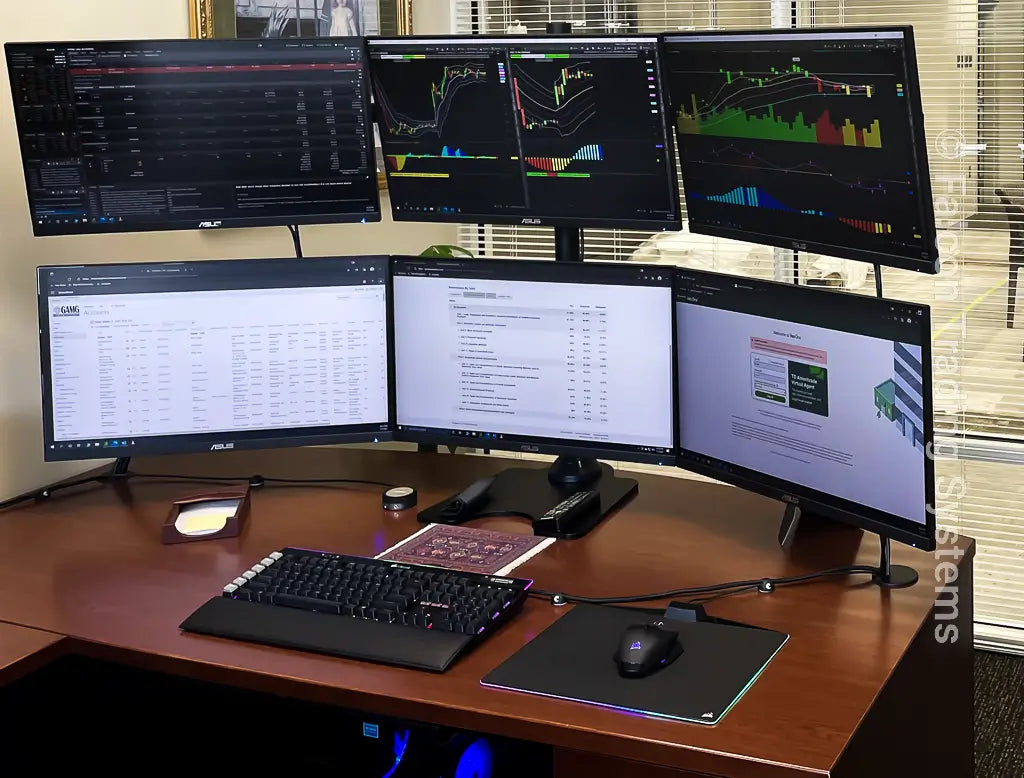
Unlike earlier retail waves driven by speculative momentum, today’s UK-based traders tend to approach leveraged products with greater scrutiny. Market volatility following global macroeconomic shifts has made risk management central to platform selection.
Three structural changes define this shift:
-
Increased awareness of execution quality
-
Greater interest in multi-asset access (FX, indices, commodities, crypto CFDs)
-
Stronger emphasis on compliance and operational transparency
Opening a CFD account is now seen as an infrastructure choice rather than simply a sign-up process.
Beyond Registration: What a CFD Account Really Represents
On paper, opening an account is straightforward: complete verification, fund the wallet, access the platform. But in practice, the account structure determines:
-
Available leverage levels
-
Margin requirements
-
Instrument access
-
Fee models
-
Risk management tools
FxFinex structures its account offerings to reflect different trading profiles, recognizing that short-term index traders, FX scalpers, and swing commodity traders operate under distinct strategies.
This segmentation mirrors a broader industry evolution: standardized one-size-fits-all accounts are gradually being replaced by more tailored frameworks.
Infrastructure and Execution: The Quiet Differentiators
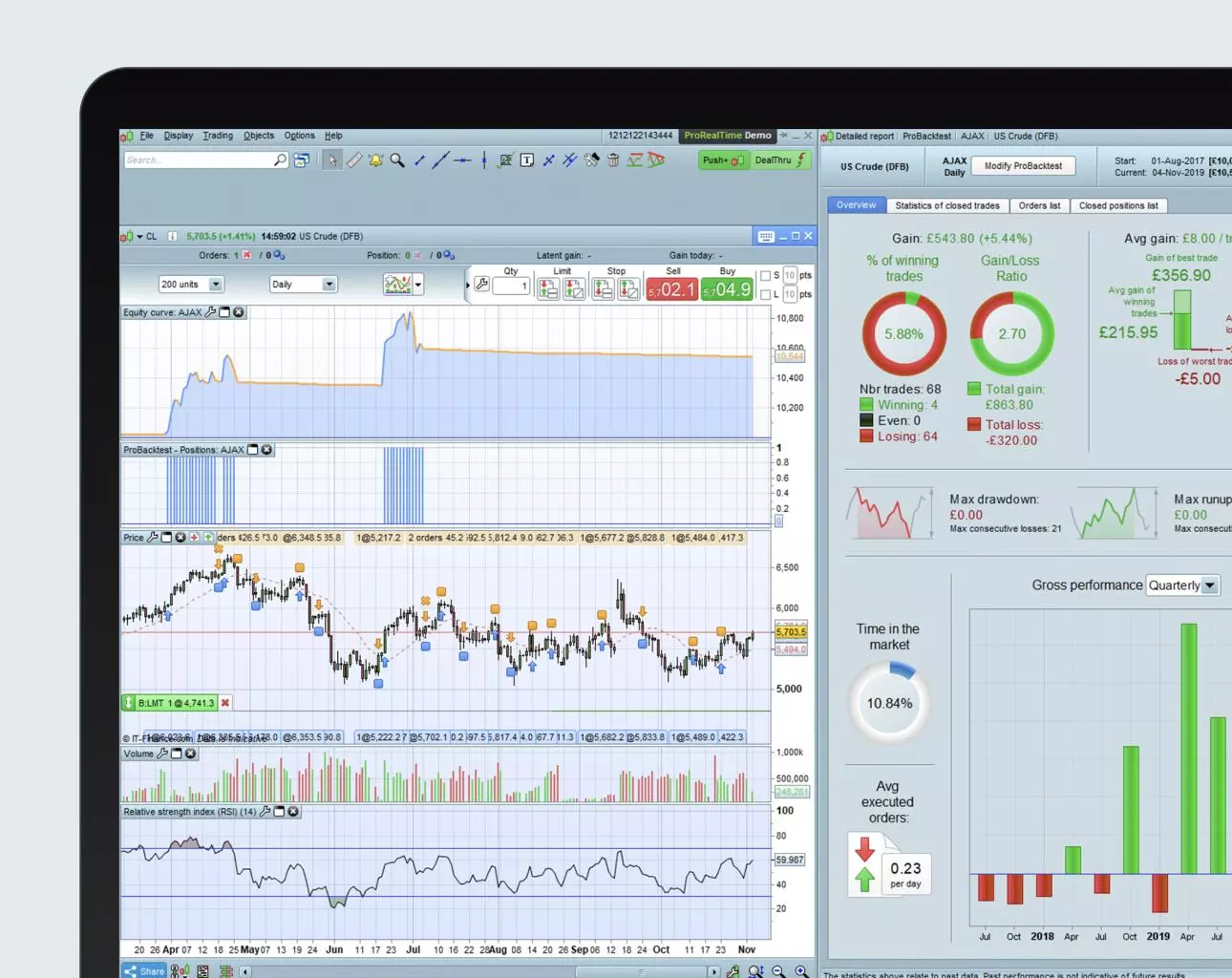
When markets react sharply to economic releases — UK inflation data, Bank of England announcements, or geopolitical developments — platform infrastructure is tested in real time.
Experienced traders often assess a CFD account based on:
-
Order execution speed
-
Slippage control during volatility
-
Spread consistency
-
Platform uptime under stress
FxFinex operates within this competitive execution environment, positioning its accounts around reliability rather than exaggerated performance claims.
The UK market, shaped by regulatory oversight and informed users, leaves little room for operational inconsistency.
Asset Access and Diversification
Diversification is increasingly central to leveraged trading strategies. A competitive CFD account today is expected to provide access across:
-
Major and minor forex pairs
-
Global indices
-
Precious metals and energy markets
-
Selected equity CFDs
-
Digital asset derivatives
Multi-asset access allows traders to respond dynamically to macroeconomic conditions. For instance, when equity volatility spikes, capital may rotate toward commodities or currency pairs.
Fx Finex integrates this broader asset coverage within its account structure, reflecting the cross-asset mindset prevalent among UK traders.
Risk Management Tools: A Core Expectation
Regulatory standards in the UK have placed strong emphasis on responsible trading. As a result, traders increasingly look for:
-
Stop-loss and take-profit precision
-
Margin monitoring dashboards
-
Transparent financing rates
-
Negative balance protection mechanisms
The presence of these tools influences whether a CFD account is perceived as a short-term speculative vehicle or a structured trading environment.
FxFinex aligns with this risk-aware environment by incorporating layered risk controls within its platform architecture.
Cost Transparency: The Long-Term Equation
While spreads are often the headline metric in broker comparisons, experienced traders recognize that overall cost structure includes:
-
Overnight financing
-
Commission layers (if applicable)
-
Currency conversion fees
-
Withdrawal processing terms
In highly competitive markets like the UK, clarity around these components contributes significantly to long-term credibility.
Rather than positioning itself solely on aggressive marketing language, FxFinex.com appears to compete on structured pricing transparency within its account models.
The Competitive Landscape in the UK
The UK remains one of Europe’s most developed CFD markets. Strict oversight and a financially literate user base create a demanding environment.
A simplified comparison of what traders typically evaluate:
| Factor | Why It Matters |
|---|---|
| Execution Reliability | Protects strategy integrity during volatility |
| Asset Breadth | Enables macro diversification |
| Platform Interface | Influences speed and efficiency |
| Cost Structure | Impacts long-term profitability |
| Account Flexibility | Supports varied trading styles |
Opening a CFD account is therefore less about promotional bonuses and more about alignment with trading methodology.
Forward Outlook: Where Account Structures Are Headed
The next evolution of CFD platforms is likely to include:
-
AI-assisted analytics dashboards
-
Advanced portfolio exposure tracking
-
Enhanced customization of leverage tiers
-
Improved cross-device synchronization
As competition intensifies, differentiation will increasingly depend on infrastructure sophistication rather than acquisition marketing.
FxFinex operates within this broader industry trajectory, reflecting the shift toward performance-oriented account design.
In the current UK trading environment, opening a CFD account represents more than gaining market access. It reflects a strategic alignment with a platform’s technology, transparency standards, and long-term operational reliability. As traders become more analytical and risk-aware, the emphasis continues to shift toward structured infrastructure — an environment where providers such as FxFinex seek to position themselves within the broader, evolving CFD ecosystem.
FAQ
What should UK traders consider before opening a CFD account?
Execution reliability, cost transparency, asset access, and risk management tools should be assessed carefully.
Is leverage the most important feature?
Leverage is important but must be evaluated alongside margin requirements and risk controls.
Why does platform stability matter?
Volatility events test infrastructure. Consistent uptime and accurate order execution preserve strategy discipline.